
Polyendocrine Metabolic Ovarian Syndrome/Polycystic Ovary Syndrome (PMOS/PCOS)
Disclaimer: No content on this site should ever be used as a substitute for direct medical advice from your doctor or other qualified clinician.
FACT: Black women are disproportionately affected by polycystic ovary syndrome (PCOS), now renamed polyendocrine metabolic ovarian syndrome (PMOS). According to the World Health Organization (WHO), an estimated 7 to 10 million women of reproductive age in the United States are affected by this disease.
Polyendocrine Metabolic Ovarian Syndrome (PMOS)
PMOS affects women of color more frequently and severely.
A family history may make you more susceptible to developing PMOS, but it does not mean you will be diagnosed with the disease.
PMOS is one of the leading causes of infertility in women.
What is Polyendocrine Metabolic Ovarian Syndrome/Polycystic Ovary Syndrome (PMOS/PCOS)?

Polyendocrine metabolic ovarian syndrome (PMOS) is a disease in which a person with a female reproductive system produces an abnormal amount of androgens. Androgens are a group of male-classified sex hormones that help start puberty and play a role in reproductive health and body development. Although all sexes produce androgens, people with a male reproductive system produce more of them.
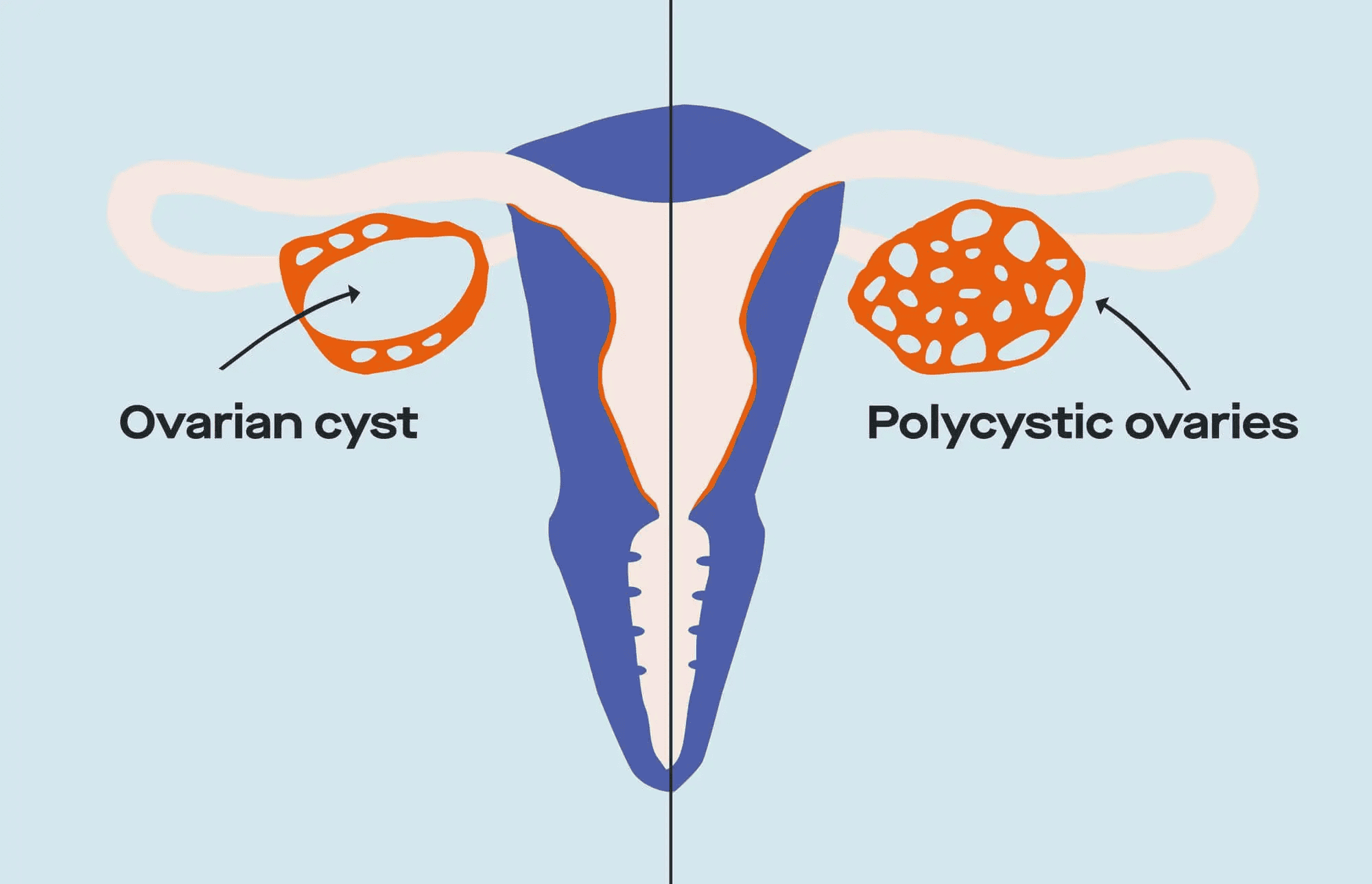
The original name, polycystic ovary syndrome, was based on a misconception that polycystic ovaries (or ovaries that have developed many fluid-filled sacs called follicles) were the defining feature of the condition. In reality, PMOS can impact many biological systems at once, such as the endocrine, metabolic, and cardiovascular systems. It is now defined by, and named for, the many symptoms that can arise from high levels of androgens. People with PMOS can experience a wide range of symptoms, including irregular periods, weight gain, acne, insulin resistance, infertility, and hair loss or hirsutism. Insulin is a hormone that is released in the body in response to sugar intake to help your body turn sugar into energy, and hirsutism is a condition in women characterized by the excessive growth of dark, coarse hair in a male-like pattern (such as on the face, chest, and back).
A 2024 study by Dr. Barthelmess estimates that only 17-33% of PMOS patients actually have polycystic ovaries. As researchers and doctors studied and discovered more about the causes and symptoms of this condition, it became clear that “polycystic ovary syndrome” did not accurately describe the disease and instead brought about confusion and misinformation for patients and providers. For example, many people misunderstood the name and associated PCOS with ovarian cysts. An ovarian cyst, or a large fluid-filled sac on the ovary, is a different condition from polycystic ovaries, in which undeveloped egg follicles turn into small fluid-filled sacs. Recent research has shown that PMOS does not create an increased risk for ovarian cysts. This confusion has led to missed diagnoses and ineffective treatments.
After 10 years of patient and doctor advocacy and collaboration, the new name of “polyendocrine metabolic ovarian syndrome” was decided on and implemented worldwide in 2026. By adopting the new name, medical researchers, healthcare providers, and organizations hope to better support patients, doctors, and future research into the disorder. Using a name that accurately reflects both the biological factors of the condition and patients’ experiences and symptoms may help reduce stigma, deliver faster diagnoses, encourage research on new treatments and potential cures, and provide comprehensive care to those with PMOS. This name change will be especially impactful for Black women and other women of color, who experience PMOS and its symptoms more frequently and severely.
PMOS does not have a clear pattern of genetic inheritance, although people with this condition may have a family history of PMOS. Elizabeth Morrill, RN, writes that about 20-40% of women with PMOS have an affected mother or sister. The increased familial risk is likely due in part to both shared genetic and environmental factors, such as similar access to healthy foods and exposure to endocrine-disrupting chemicals (EDCs), according to Dr. Srnovršnik, MD. EDCs are natural or man-made substances that interfere with the body's normal hormone functions by mimicking natural hormones, blocking natural receptors, or increasing and decreasing normal hormone levels.
The Four Types of PMOS:
The global research team that discovered these subtypes also created an online platform available to healthcare providers to help them classify patients into the subgroups. Because each subtype comes with its own differences in fertility and risk for other conditions, providers can use the subtype definitions to guide their treatment approaches. Breaking this down into more detailed groups makes it easier to find a treatment that actually works for PMOS patients.
PMOS Prevention and Risk Factors
Currently, there is limited data about preventing PMOS, but there is information about risk factors that may influence the development or course of the disease.
Genes may make you susceptible to developing PMOS, but research has revealed other risk factors that may bring out or worsen symptoms. These include, but are not limited to:
- Chronic stress
- Chronic inflammation
- Weight gain
- Insulin resistance
- Exposure to endocrine-disrupting chemicals (EDCs)
- Smoking: Smokers have higher androgen levels than nonsmokers. Because high androgen levels can lead to PMOS, smoking may increase your risk of developing the condition.
What are the symptoms of PMOS?
According to the Cleveland Clinic, the most common symptoms of PMOS include:
- Acne
- Infertility
- Weight gain or trouble losing weight
- Male-pattern baldness or thinning hair
- Hirsutism (abnormal male-pattern hair growth)
- Irregular or infrequent periods
- Polycystic ovaries
- Hyperpigmentation (skin that looks darker than your natural skin tone because of the overproduction of melanin), especially around creases in the skin and areas that are affected by hirsutism
The time it can take to get a diagnosis of PMOS varies depending on a number of factors, including but not limited to race and class. The World Health Organization (WHO) states that up to 70% of women with PMOS do not receive a diagnosis for their condition. Other data analysis also demonstrates that missed PMOS diagnoses are more frequent for Black and lower-income groups. If you have symptoms of PMOS, advocate for yourself and consult with your doctor. If you receive a diagnosis of PMOS, make sure to ask your healthcare provider to identify which type you may have developed in order to receive the appropriate treatments.
Black Women and PMOS
PMOS affects Black women disproportionately. For example, researchers found that Black women with PMOS have higher rates of hirsutism, insulin resistance, obesity, and a higher risk of metabolic syndrome and cardiovascular disease. These can include increased blood pressure, high blood sugar, and abnormal cholesterol levels. In addition, Black women with PMOS have higher rates of mental health issues than white women with PMOS.
Many Black women, especially those with PMOS, have reported that they sometimes feel “invisible” when it comes to seeking help from medical practitioners. In an interview with RSP, Latoya Shauntay Snell, founder and CEO of Running Fat Chef, said that sometimes her encounters with doctors over her myriad reproductive health issues, including PMOS, made her want to stop seeing doctors altogether. She said, “It comes down to my medical experience of walking into a doctor's office, being profiled, having things assumed about you before you even open your mouth before the examination even happens, it gets to a place where you have someone who just completely avoids the doctor's office.” To read more about Snell’s story on our Front Porch Insights blog, please click here.
Diagnosis and Treatment
Diagnosis
PMOS cannot be accurately diagnosed with basic tests such as blood tests, cultures, or biopsies. A diagnosis of PMOS can usually be made if two of the following three criteria have been met:
- Irregular or infrequent periods
- High amounts of androgens in the blood
- Polycystic ovaries
Treatment
While there is no cure for PMOS yet, it is possible to manage it. Early diagnosis and treatment are crucial to avoid or reduce symptoms and long-term complications such as diabetes and heart disease. According to the Cleveland Clinic, common treatments may include, but are not limited to:
- Medication:
Many types of medications are commonly used to treat the various symptoms of PMOS. Prescribed medications may include:
-
- Hormonal birth control pills - can regulate menstrual cycles and possibly help with hirsutism and acne
- Certain diabetes drugs - may assist in weight loss, regulate insulin response, and support ovulation
- Anti-Androgen medications - are used to counteract the effects of high levels of androgens, such as hirsutism and acne
- Acne medications - can also be used to help with PMOS-related acne
- Supplements:
While research into the effects of supplements in PMOS management is limited, doctors may suggest supplements to improve symptoms, such as Vitamin D or E to regulate ovulation and improve insulin response. Probiotics and prebiotics may also reduce inflammation and regulate hormones. Ask your healthcare provider before starting any supplements.
- Weight Management:
Managing a healthy weight can positively affect insulin levels. Eating a healthy diet with whole foods, while limiting foods high in saturated fat, can support weight management and help reduce PMOS symptoms.
Consult with your healthcare provider about which treatment options might be best for you.

